Top 10 Essential Tools for Model Construction Enthusiasts
Model construction is a rewarding hobby that allows enthusiasts to express their creativity and attention to detail. Whether you are building intricate architectural models or detailed miniature vehicles, having the right tools is essential for achieving the best results. In this article, we will explore the top ten essential tools that every model construction enthusiast should have in their toolkit, ensuring that your projects are not only successful but also enjoyable.
1. Precision Cutting Tools
Precision cutting tools are fundamental for any model builder. These tools, which include hobby knives and precision scissors, allow for clean and accurate cuts on various materials such as plastic, wood, and paper. A high-quality hobby knife with replaceable blades can make a significant difference in the quality of your cuts, ensuring that your pieces fit together seamlessly. Additionally, using a cutting mat can protect your work surface and prolong the life of your blades.
When selecting cutting tools, consider the types of materials you will be working with. For instance, a sturdy pair of scissors may be ideal for cutting paper or thin plastic, while a hobby knife is better suited for more intricate cuts. Investing in a variety of cutting tools will enhance your versatility and precision in model construction.
2. Adhesives and Glues
Choosing the right adhesive is crucial for model construction, as it determines the durability and finish of your project. There are various types of adhesives available, including cyanoacrylate (super glue), epoxy, and PVA glue. Each type has its specific applications, so understanding their properties is essential. For instance, super glue dries quickly and is perfect for small parts, while epoxy provides a stronger bond for larger components.
Moreover, the application method can affect the outcome of your project. Using a precision applicator can help you control the amount of glue you use, preventing excess that could mar the appearance of your model. Always ensure that the adhesive you choose is compatible with the materials you are working with to avoid any unwanted reactions.
3. Paints and Finishing Supplies
Painting is an integral part of model construction, allowing you to add realism and detail to your creations. A variety of paints are available, including acrylics, enamels, and sprays. Each type has its advantages, with acrylics being water-based and easy to clean, while enamels offer a glossy finish that is highly durable. Understanding the differences will help you select the right paint for your project.
In addition to paints, finishing supplies such as varnishes and weathering powders can enhance the final look of your model. Varnishes protect the paint and provide a desired sheen, while weathering powders can add realism by simulating dirt and wear. Experimenting with different techniques can elevate your model from good to exceptional.
4. Tools for Detailing
Detailing tools are essential for adding intricate features to your models. Items such as tweezers, files, and brushes allow for precision work that can significantly enhance the overall appearance. Tweezers are particularly useful for handling small parts, while files can help smooth edges and create the desired shapes. A variety of brushes in different sizes will enable you to paint fine details and achieve a professional finish.
Moreover, investing in a magnifying glass or a lighted magnifier can help you see the finer details more clearly, making it easier to work on intricate components. These tools not only improve your accuracy but also make the process more enjoyable, as you can focus on the details that truly bring your model to life.
5. Organizational Tools
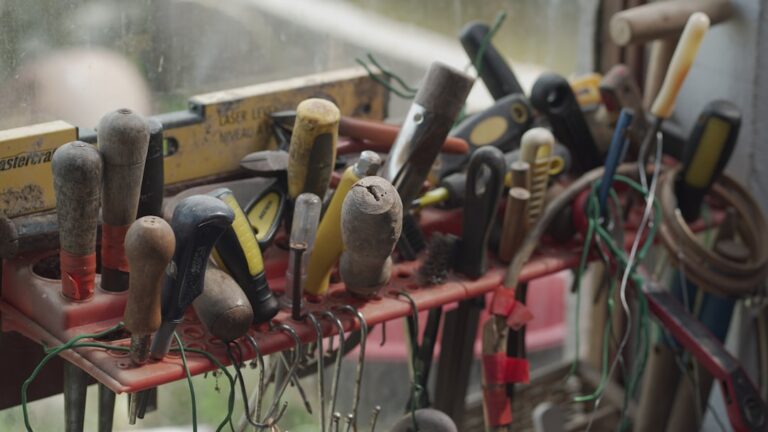
Keeping your workspace organized is vital for efficient model construction. Organizational tools such as storage boxes, trays, and tool organizers can help you keep track of your materials and tools. A clutter-free workspace allows you to focus on your project without distractions, enhancing your productivity and creativity.
Consider using labeled containers for different types of materials, such as paints, adhesives, and small parts. This will save you time searching for items and ensure that everything is easily accessible. An organized workspace not only improves your workflow but also contributes to a more enjoyable building experience.